

Need to Know
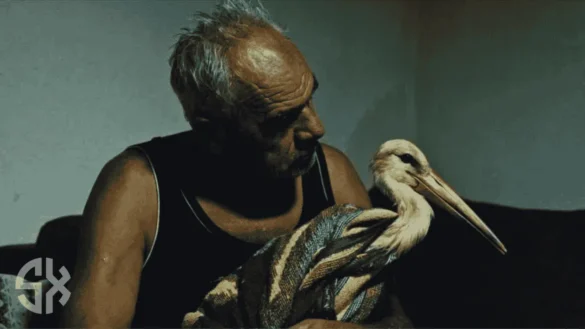
- The Tale of Silyan, an Oscar-contending documentary by Tamara Kotevska, tells a heartfelt story of a Macedonian farmer caring for a wounded stork.
- The film blends mythology, environmental issues, and human compassion, highlighting migration, rural struggles, and nature’s fragility.
- Backed by National Geographic and notable producers, it’s praised for its stunning cinematography and urgent ecological message.
The Tale of Silyan has quickly emerged as one of the most talked-about documentaries of the year after its remarkable victory at the Venice Film Festival. Directed by Tamara Kotevska, the Oscar-nominated filmmaker behind Honeyland, the film tells the emotional story of a wounded stork and the Macedonian farmer who decides to care for it. With its mix of intimacy, natural beauty, and universal themes of resilience, this Venice Film Festival documentary has now gained even more momentum after being acquired by National Geographic Documentary Films for a major Oscar run.
What makes The Tale of Silyan stand out is its poetic blend of mythology, environmental truth, and human compassion. The film is not just about the friendship between a man and a bird but also about migration, rural struggle, and the deep connection between people and nature. By weaving personal storytelling with broader global concerns, the documentary manages to highlight both the fragility and the healing power of the natural world. This balance of emotion and urgency is what gives it an edge in the best international feature Oscar race.
The production also benefits from the backing of notable figures like Laurene Powell Jobs and Oscar-winning Davis Guggenheim, who joined as executive producers. Their involvement alongside Concordia Studio, The Corner Shop, and Ciconia Film ensures that the film has both creative authenticity and global reach. National Geographic’s decision to acquire worldwide rights to The Tale of Silyan shows the kind of confidence and ambition usually reserved for projects with a real shot at critical and commercial success.


For more movie reviews, trailers, and behind-the-scenes insights, visit Sorlix, your source for the latest in film and entertainment.
The Tale of Silyan further shines because of its rich cinematography and emotional urgency. Every frame captures the beauty of rural landscapes in North Macedonia while reflecting on how modern challenges threaten these traditions. As farms transform into landfills and migration pulls people away from villages, the storks’ natural habitat begins to collapse. This harsh reality is portrayed with visual splendor and sincerity, giving the film both artistic strength and documentary credibility.
By combining the mythic presence of the white stork with the grounded perspective of everyday farmers, The Tale of Silyan speaks to both cultural heritage and global ecological concerns. It continues to garner critical acclaim, boasting a 100 percent rating on Rotten Tomatoes and generating buzz as one of National Geographic’s strongest contenders for the Academy Awards. For audiences and critics alike, this is more than just another nature documentary. It is a cinematic experience that connects folklore, environmental issues, and human compassion in one unforgettable narrative.
